
Full expected manufacturing cost for a CNC part includes material, preparation, resource time, tooling, inspection, outside processing, logistics and indirect cost allocated under the shop’s model. Geometry informs several of these lines, but it does not replace the tolerance drawing, process plan or an estimator’s judgement. A measurable contingency and commercial margin should be shown separately so that cost, uncertainty and price are not conflated.
Review scope: this article passed an internal Kostira source audit for process consistency, terminology and product limitations. It is not an externally signed manufacturing engineer’s opinion; a competent person at the shop should approve the relevant drivers and values for each part.
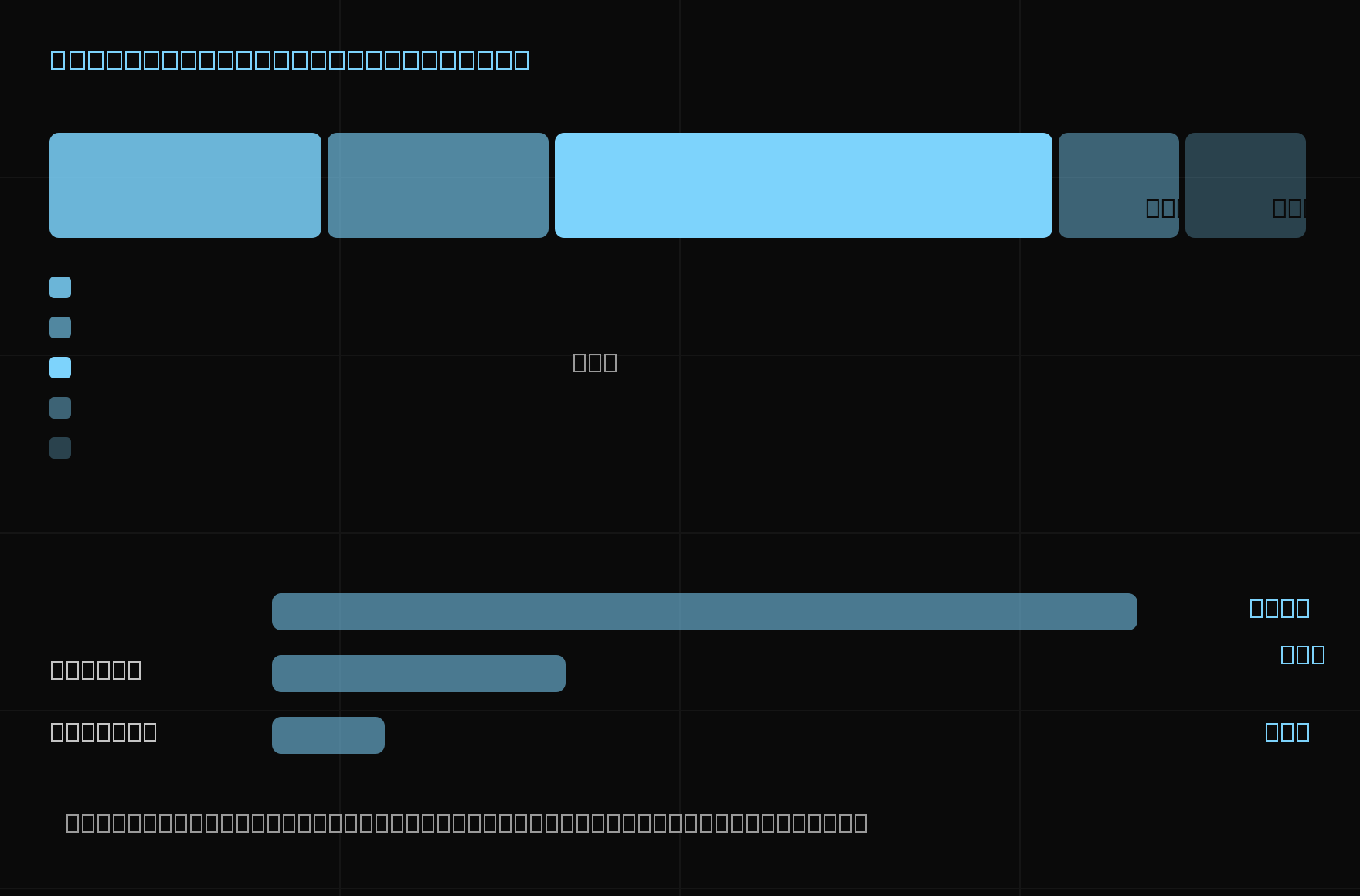
1. Material and purchased form
Grade, availability and stock form all matter. Two alloys with a similar price per kilogram can create different machining cost through machinability, tool wear and cutting parameters. An unusual section may force the shop to buy a full bar or accept a longer lead time.
2. Stock-to-part ratio
Excess allowance can increase purchased mass and metal-removal time. A closer bar size, cut blank or near-net preform may have more impact than a small feed-rate optimization. Minimum order quantity, cutting layout, available remnants and required process allowance must still be checked.
3. Number of setups
Every setup may add preparation, datuming and inspection, and can introduce another source of variation. Five-sided geometry may require several operations, soft jaws or dedicated workholding. For a small batch, that effort is divided across very few parts.
4. Tool access and feature geometry
Deep pockets, small internal radii, long reach and thin walls restrict tools and stable cutting conditions. A bounding box cannot represent all of that difficulty. STEP-based quoting should therefore produce an editable analysis, not an unexplained fixed answer.
5. Tolerances and fits
A tight tolerance may require a more stable process, an additional finishing pass, temperature control or a different resource. Demonstrating and documenting process capability can become a significant cost line in addition to cutting the feature.
6. Surface finish and appearance
Finish requirements affect strategy, tooling, parameters and possible polishing or grinding. Separate cosmetic requirements from functional surfaces so the quote does not over-process the entire component.
7. Holes, threads and inspection
A hole count is not enough. Diameter, depth, position tolerance, threads, chamfers, access from several sides and inspection method all affect the route. A deep small hole can be riskier than an open pocket with much more volume.
8. Batch size
At quantity one, new or revised CAM, setup and first-off inspection may be carried by one component. A larger batch may spread some of those costs, but may also increase work-in-progress, inventory and the impact of a process error. Economies of scale are not one universal discount percentage; they depend on the route and the shop’s allocation policy.
9. Outside processing and logistics
Heat treatment, coating, anodizing, grinding or third-party measurement add the supplier’s charge, freight, schedule buffer and quality risk. Record when the subcontract quote was obtained and how long it is valid.
10. Resource rate and utilization
The same cycle hour can carry a different cost in two shops. Machine financing, energy, maintenance, operator cost, floor space and productive utilization all contribute. Review the machine hourly rate guide before comparing cycle time alone.
Turning drivers into an estimate
Avoid compressing every factor into a single “complexity multiplier”. First build full expected manufacturing cost from explicit operations and assumptions:
- material and stock;
- process planning and setup;
- each machine and manual operation;
- special tooling;
- inspection and documentation;
- outside processing;
- indirect cost under the shop’s documented allocation method.
Outside that sum, show a named contingency, followed by margin and other commercial decisions as a separate layer.
That structure shows whether material, tolerance, batch size or delivery changes the price. It is also the foundation of a repeatable quoting workflow.
Giving contingency a defensible basis
Uncertainty should identify an event and a cost basis instead of relying on an unexplained percentage. For example:
| Event | Possible contingency basis | Update or removal condition |
|---|---|---|
| First-off scrap from unproven workholding | probability × replacement stock, repeat setup and repeat machining | successful process trial or approved fixture |
| Additional inspection for a tight tolerance | probability × measurement time and required service cost | agreed inspection plan and confirmed measurement capability |
| Repeat outside processing after a coating rejection | probability × supplier quote, freight and handling | approved sample or written supplier responsibility |
| Expedited freight after a schedule change | difference between standard and expedited freight × assessed probability | confirmed schedule and collection date |
A foreseeable event may form part of expected cost when it can be measured reasonably. Uncertainty whose impact cannot yet be supported should be disclosed separately with its basis. Margin does not replace either layer.
Sources and related guides
- NISTIR 5808: A Machining Process Planning Activity Model — a primary model of NC process-planning functions and data flow.
- NIST: An Object-Oriented Manufacturing Process Model — a model connecting operations, setup, handling, resources, and estimated time and cost.
- FAR 31.205-7: Contingencies — a distinction between foreseeable measurable events and contingencies disclosed separately with their basis; we use it as a documentation pattern, not a general legal requirement for Kostira users.
- GAO Cost Estimating and Assessment Guide — practices for documenting assumptions, cost drivers, sensitivity and contingency basis; we adapt those principles to part quoting without importing programme scale.
- CNC machining cost estimation
- STEP vs STL for quoting
- Inputs for a real quote should come from current shop rates, supplier offers and the intended manufacturing process.